California is rapidly transitioning to an all-electric future, and multifamily housing is at the center of this shift. For developers, building all-electric is no longer a policy requirement; it’s a strategic advantage. The combination of modern heat pump technology, rising energy efficiency requirements, and incentive programs make all-electric design a smart economic decision.
Design decisions should start with efficiency
When planning a new building, an important part of project planning must be prioritizing energy efficiency to minimize building energy use. Reducing a building’s energy use is essential in controlling electrical infrastructure costs and keeping utility costs manageable for owners and occupants. Effective strategies start with:
- Robust insulation and air sealing
- Thoughtful load-reduction design
- Incorporating heat and energy recovery
- Selecting high-efficiency HVAC and water heating equipment
Heat pumps are the heart of all-electric housing
Heat pumps now define efficient building design. Today’s products are dependable, widely available, and deliver performance. They also:
- Provide heating and cooling in a single system
- Operate at 3-5 x the efficiency of a traditional electric resistance or gas system
- Offer flexible configurations for both unitary and central systems
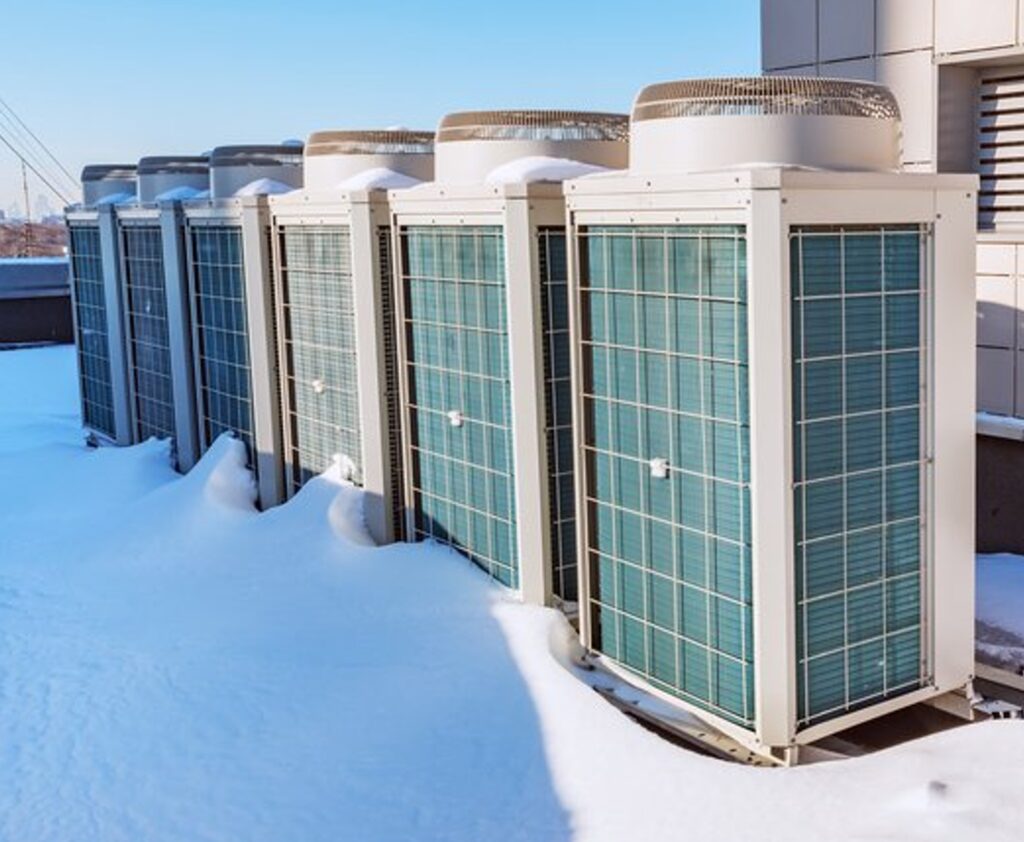
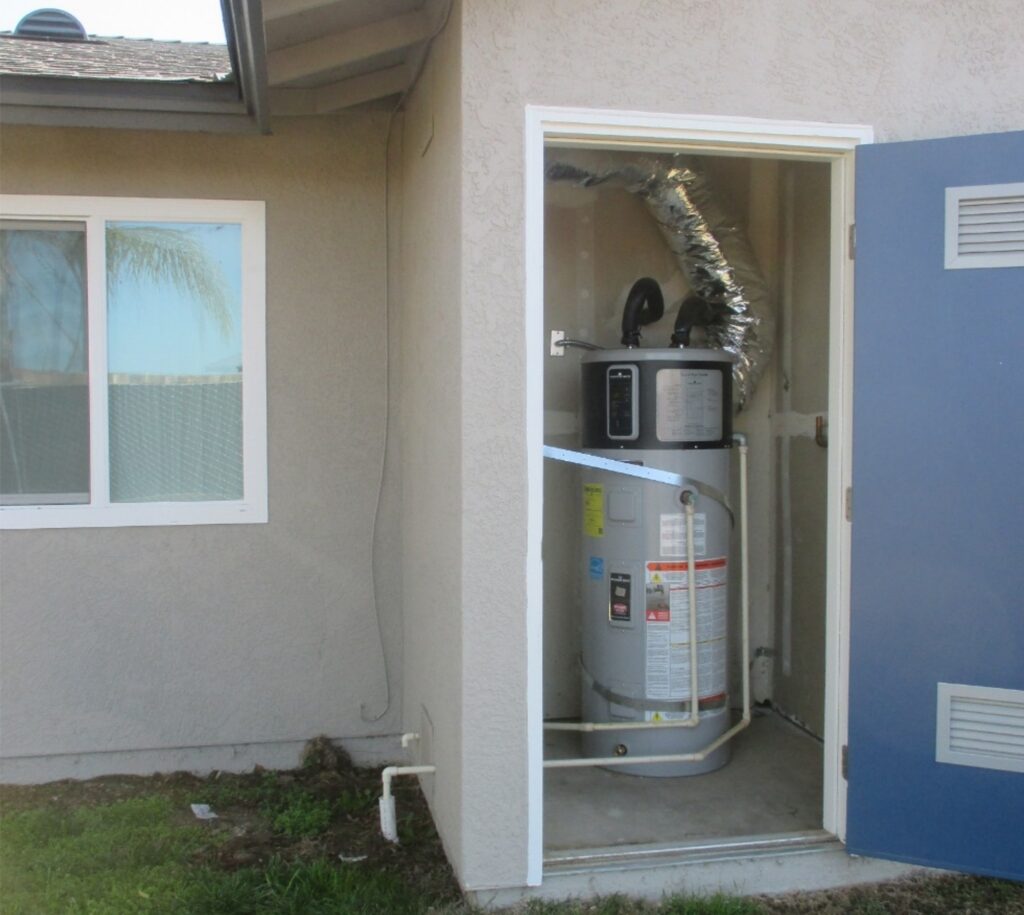
Central heat pump water heating systems
When constructing with central water heating, careful design and installation are essential to managing costs and supporting long-term performance. Best practices include:
- Consideration of single-pass heat pump models to maximize efficiency
- Partnering with designers and installers experienced in central heat pump water heating systems
- Requesting manufacturer or third-party review of the design and installation
- Including post-start-up performance testing
- Securing an ongoing service contract with the installing sub
Heating, ventilation, and air conditioning takeaways
- Choose inverter-driven (variable capacity) heat pumps, like mini-splits, over single- or multi-state units for higher efficiency and a smaller footprint, providing greater design flexibility.
- Reduce heating and cooling loads before the heap pump engages. HRV/ERV systems support comfort, meet IAQ requirements, and temper outdoor air, which reduces the system workload.
Water heating takeaways
- Pair unitary heat pump water heaters with a thermostatic mixing valve (TMV). Including a TMV on the water heater increases the effective storage volume of the equipment and optimizes energy efficiency. Additionally, TMVs may allow for smaller tank sizes in space-contained projects.
California’s energy and climate-focused priorities are accelerating the demand for all-electric living. Multifamily developers have an opportunity to get ahead of codes, simplify construction, and deliver safe, comfortable, and cost-effective all-electric living.
Benefits of all-electric construction include:
- Eligibility for rebates and incentives to reduce upfront costs
- Lower construction costs by eliminating gas infrastructure costs
- Compliance with California’s evolving energy codes and climate policies
- Heat pumps offer both heating and cooling in one system
- Better indoor air quality with no combustion-related pollutants, like nitrogen oxides (NOx)
- Compatibility with on-site renewables for lower operating costs and increased resilience
Climate goals are driving a strong policy and market shift toward all-electric construction, and the technology available has kept pace. The technology is readily available, the incentives are generous, and the market is ready. Incentive programs like CalEHP can help offset upfront costs, but won’t be available forever.
Ready to get started?
Request no-cost technical assistance today to streamline your design process and support California’s clean energy transformation.
Additional resources:
CalEHP program partner AEA provided content for this blog.
The Association for Energy Affordability, Inc. is dedicated to achieving energy efficiency in new and existing buildings in order to foster and maintain affordable and healthy housing and communities. AEA representatives engage in a broad range of educational, technical and construction management activities and services to promote this mission and develop the industry that advances and sustains it.
AEA opened its West Coast office in 2010 and has since helped lead the charge towards a clean, efficient, and equitable zero net carbon multifamily building stock in California.
December 5, 2025